

Destinations
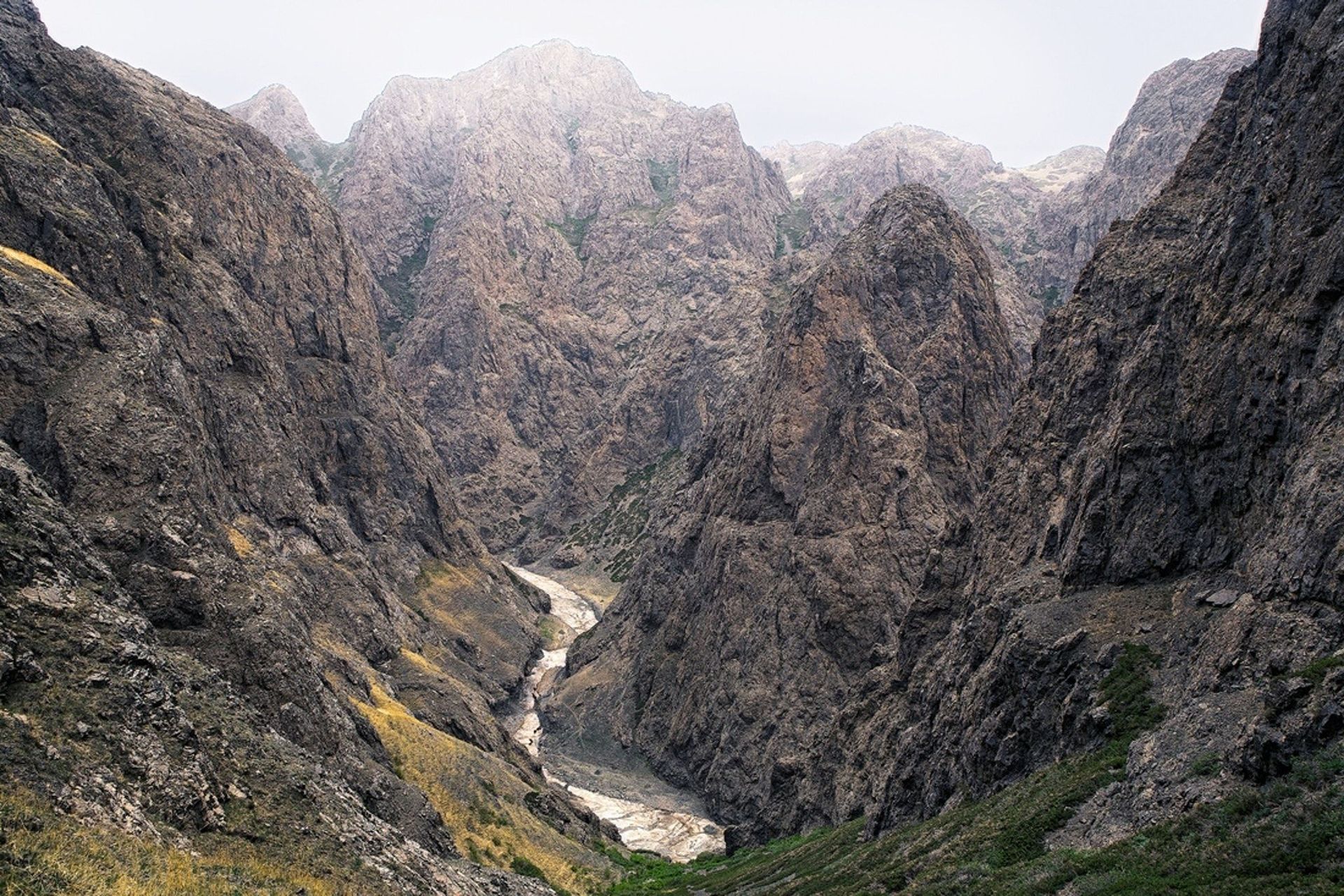
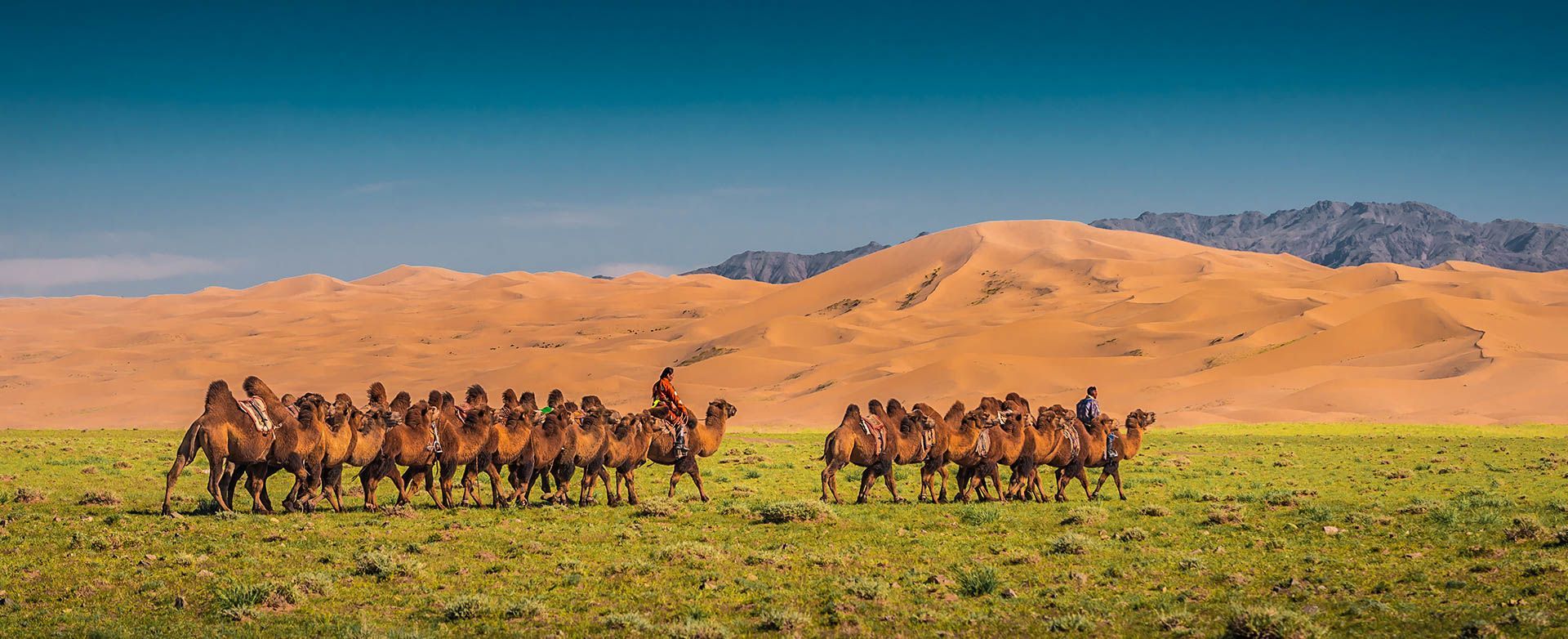
From the golden dunes of the Gobi to the crystal-clear waters of Lake Khuvsgul, Mongolia is a land of endless horizons and untouched wilderness. Climb the singing Khongor Sand Dunes, hike the Flaming Cliffs and walk through the icy canyon of Yolyn Am, then travel north to the Orkhon Valley and the ancient capital of Kharkhorin, where Erdene Zuu Monastery tells the story of the Mongol Empire. Relax in the hot springs of Tsenkher, visit the hilltop monastery of Tuvkhun and discover the rolling dunes of Elsen Tasarkhai. Closer to Ulaanbaatar, Terelj National Park offers granite rock formations and green valleys, while in the far west, the snow-capped peaks of Altai Tavan Bogd are home to Kazakh eagle hunters. Along the way, stay in a traditional ger, ride across the steppe and share a meal with a nomadic family. Whatever route you choose, Mongolia is a journey you will not forget.
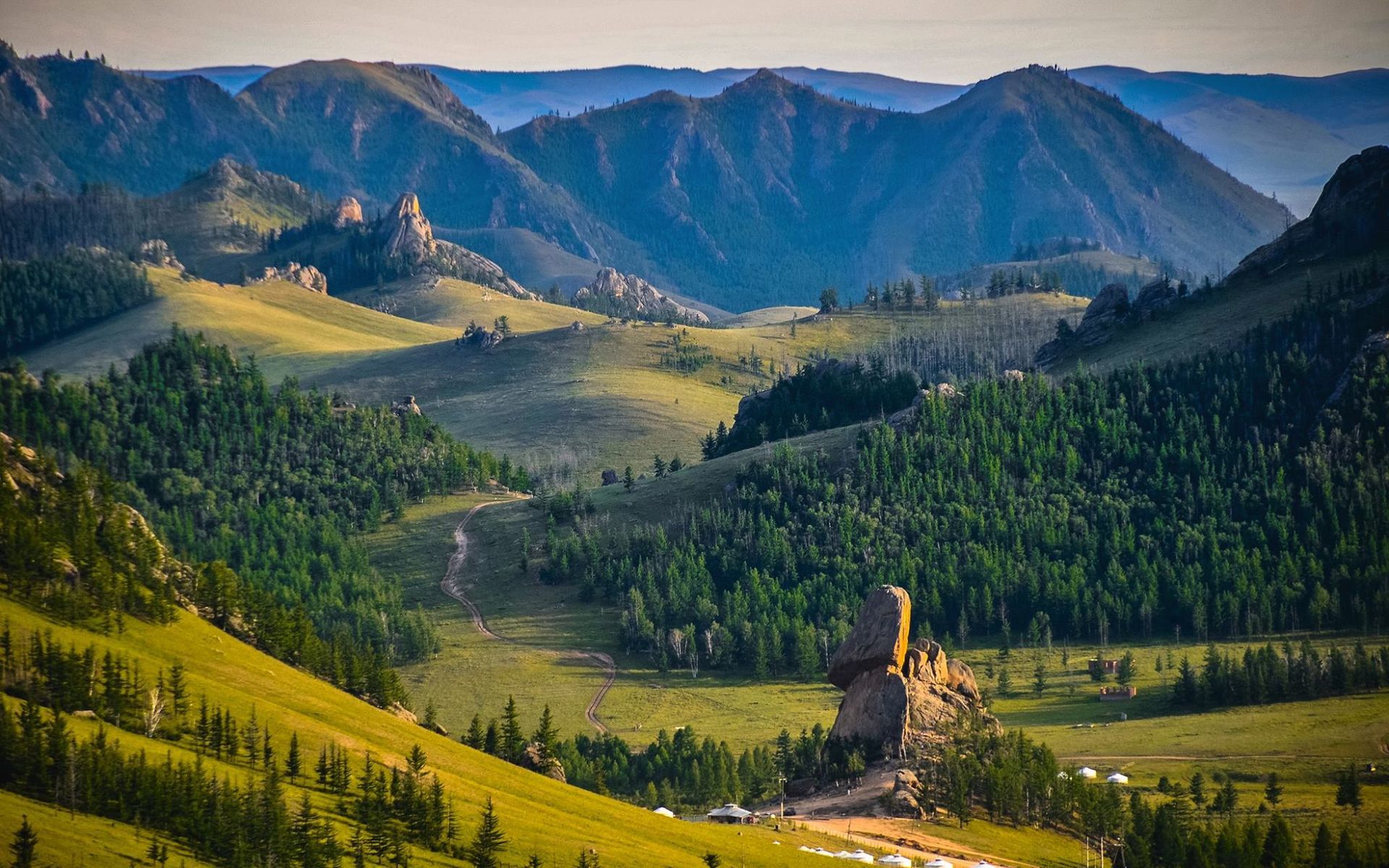
Terelj national park
Terelj National Park is a natural wonderland situated about 80 km from Ulaanbaatar, Mongolia. It is the third largest protected area in the country and one of the most popular destinations for tourists. Visitors can explore its breathtaking scenery, which includes vast meadows of edelweiss and a wide variety of wildflowers, intriguing rock formations, and pine-covered mountains. The park is home to a diverse range of flora and fauna, such as the Siberian ibex and the elusive snow leopard. Adventure enthusiasts can indulge in exciting activities like hiking, camping, skiing, rafting, horse riding, and mountain biking. Terelj National Park is a true gem of Mongolia and a must-visit destination for nature lovers.
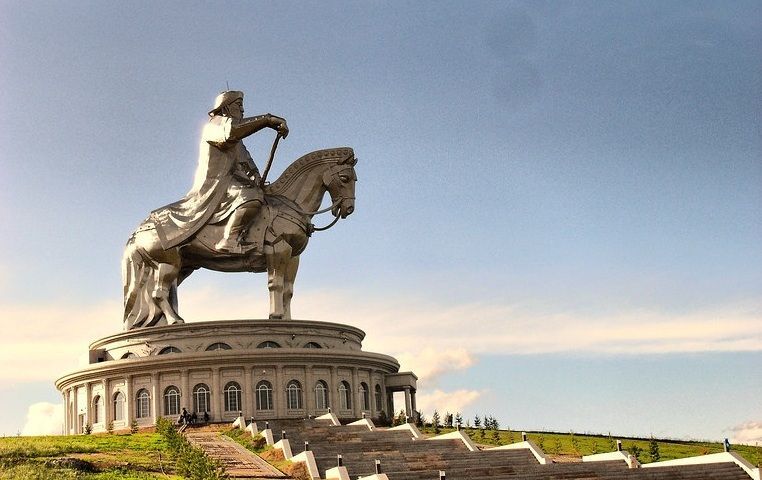
The Equestrian Statue of Genghis Khan
The Equestrian Statue of Genghis Khan is a remarkable monument located on the bank of the Tuul River, approximately 54 km east of Ulaanbaatar in Mongolia. This colossal statue is 40 meters tall and made of stainless steel, depicting the great Mongol ruler seated on his trusty steed, wearing traditional garb and holding a golden whip. The statue is surrounded by a circular platform that features 36 columns, each representing a khan who was an important figure in Mongolian history. Visitors can climb up to the horse's head for a breathtaking view of the surrounding landscape. The statue is an iconic symbol of Mongolia's rich cultural heritage and a must-see attraction for anyone visiting the country.
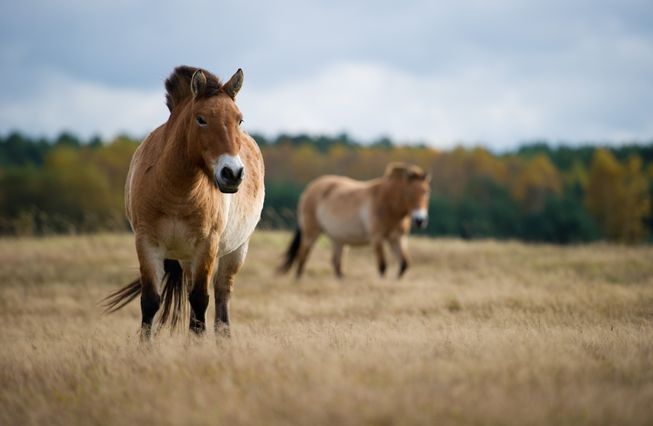
Khustai national park
Hustai National Park, 100 km southwest of Ulaanbaatar, spans over 50,000 hectares of land. Established in 1993, it successfully reintroduced the Przewalski horse, the last living wild ancestor of domestic horses, which became extinct in the wild by the 1960s. Reintroduced from abroad, their population now thrives, with 350 individuals. The park's well-managed conservation efforts have also benefited other wildlife, fostering biodiversity with red deer, roe deer, marmots, wild boar, wild sheep, gazelles, grey wolves, and red foxes. The park teems with 459 plant species, 85 lichen species, 90 moss species, 33 mushroom species, and a diverse array of animals and insects.
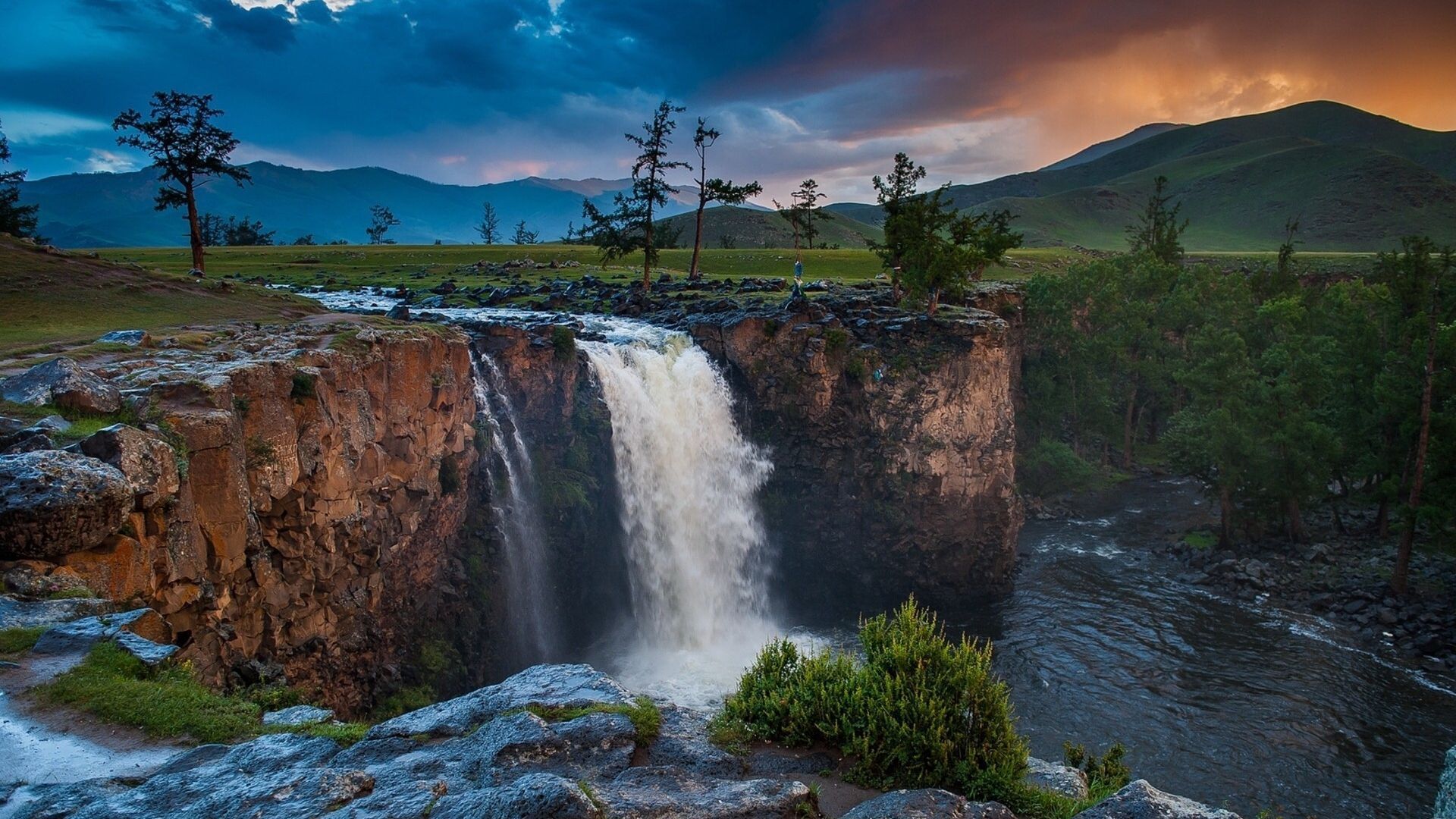
Orkhon Valley
Orkhon Valley, a UNESCO World Heritage Site, is a region of great historical and natural significance in Mongolia. The valley features stunning landscapes, including the Orkhon Waterfall, cascading down 20 meters into the valley below. Visitors can explore the ancient ruins of Kharkhorin, the capital of the Mongol Empire, and the surrounding Turkic and Mongol sites. The valley also offers a unique opportunity to experience traditional nomadic culture, with the chance to stay in a ger and participate in local festivals and traditional practices. Overall, Orkhon Valley is a must-visit destination for anyone traveling to Mongolia.
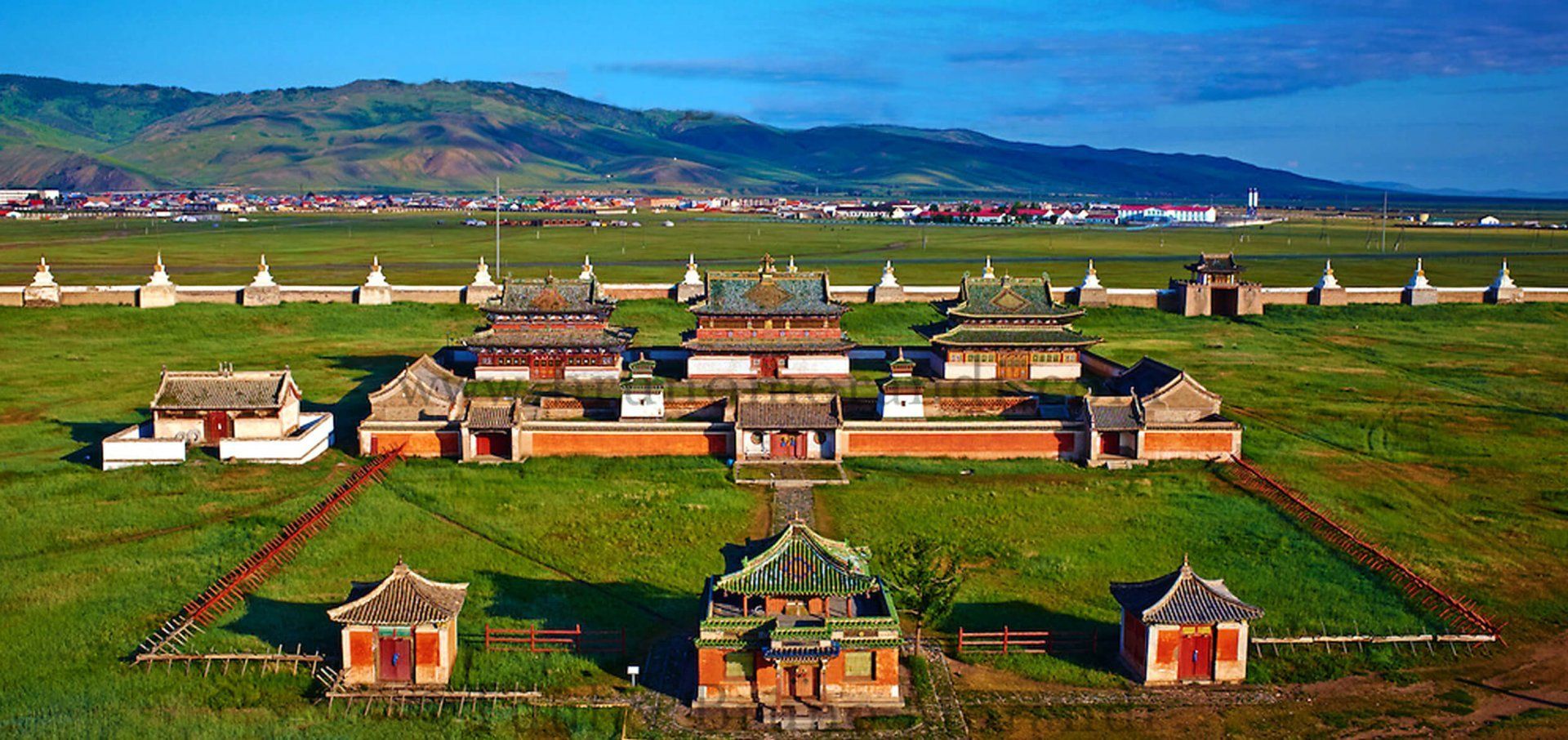
Kharkhorin ancient capital
Kharkhorin, also known as Karakorum, is an ancient capital city located in the Orkhon Valley of Mongolia. Established in the 13th century, it was the capital of the Mongol Empire under the rule of Ogedei Khan. The city was a significant cultural and political center and played a vital role in the Silk Road trade route. Visitors can explore the ancient ruins of Kharkhorin and see remnants of the city's former grandeur, including the Erdene Zuu Monastery, which was once one of the largest Buddhist monasteries in Mongolia. Today, Kharkhorin stands as a testament to the rich history and cultural heritage of Mongolia.
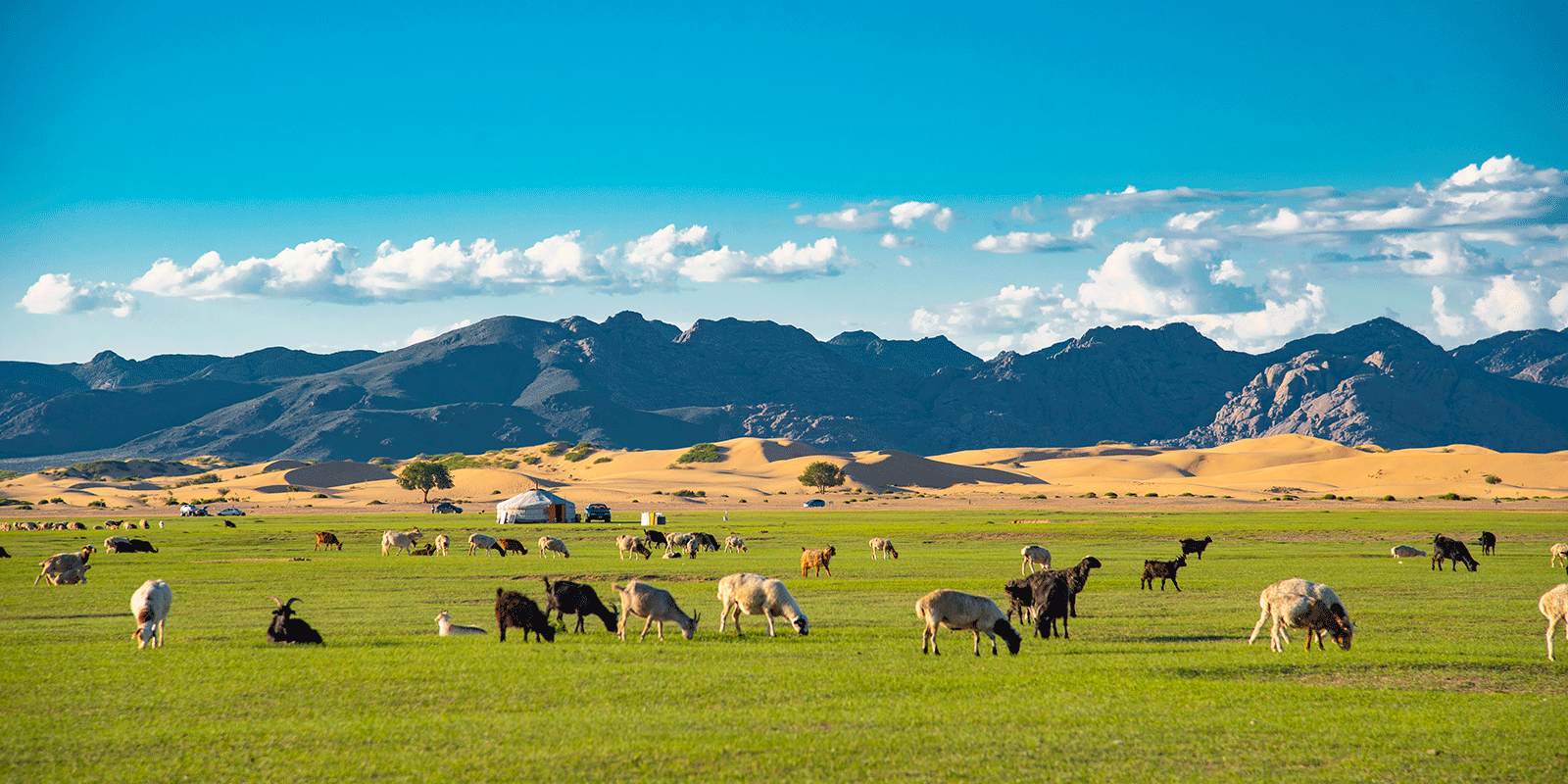
Elsen tasarkhai
Elsen Tasarkhai is a unique geographical formation located in central Mongolia. The region features a stunning combination of sand dunes, mountains, and grassy plains, making it a popular destination for tourists seeking to explore Mongolia's natural beauty. Visitors can experience traditional Mongolian culture by staying in a ger and participating in local customs, such as camel riding and nomadic herding practices. The area is also home to a variety of wildlife, including gazelles and wolves, which visitors can observe in their natural habitat. Elsen Tasarkhai is an ideal destination for nature enthusiasts seeking a peaceful and serene escape from the hustle and bustle of city life.
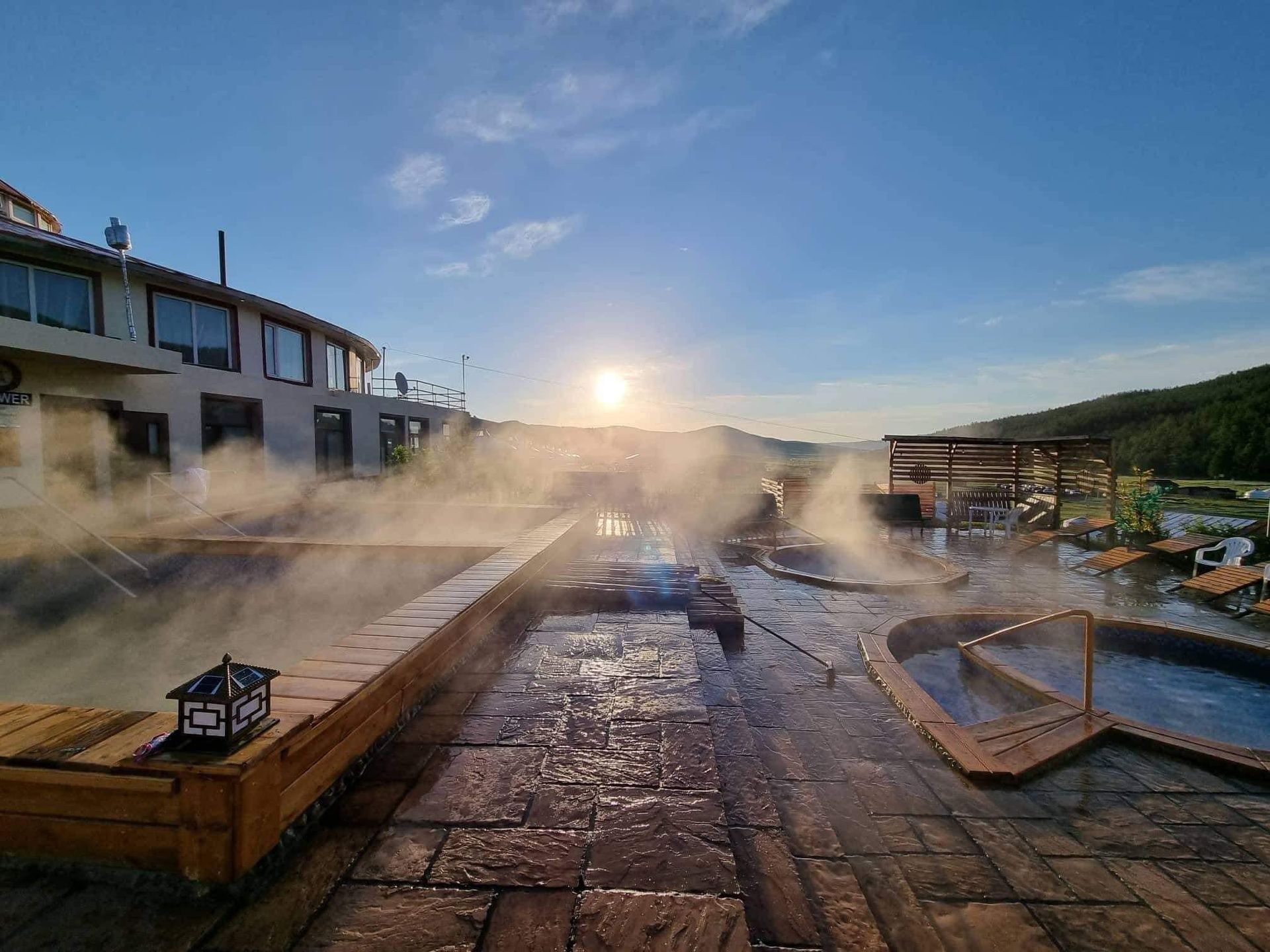
Tsenkher hot springs
Tsenkher Hot Spring is the second hottest spring of Mongolia after Shargaljuut spring. Heat of the water reaches 86 celsius degree. It is an alkaline spring that contains hydrosulfuric acid and silica union and used for medical treatment. Tsenkher Hot Spring is good for treating rheumatism, neuralgia, muscular pain and arthalgia and help improving digestive system, restoring immunity after surgery and recharging yourself. Drinking the water for a small dose or bathing for a specific amount of time are the ways of treatment.
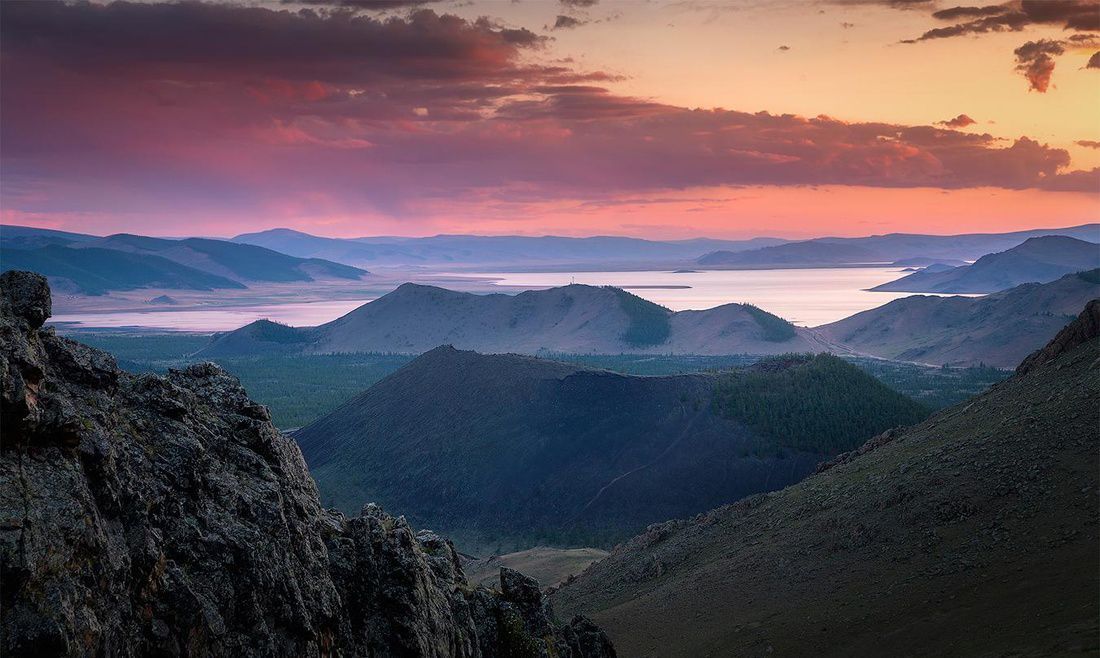
Great white lake
Terkhiin Tsagaan Nuur, known as the "White Lake of the Terkh River," is a stunning lake located in Mongolia's Khorgo-Terkhiin Tsagaan Nuur Natural Park. This extraordinary body of water was formed by the eruption of the Khorgo Volcano and is surrounded by several dormant volcanoes, creating a unique and awe-inspiring landscape. The lake spans 61 square kilometers and has an average depth of 20 meters, providing a habitat for various fish species and freezing over for much of the year. Visitors can also hike up the extinct Khorgo Volcano, which stands at 2240 meters with a 200-meter-wide crater. Terkhiin Tsagaan Nuur and its surrounding area are a true natural wonder, leaving visitors with unforgettable memories.
Tsagaan Suvarga
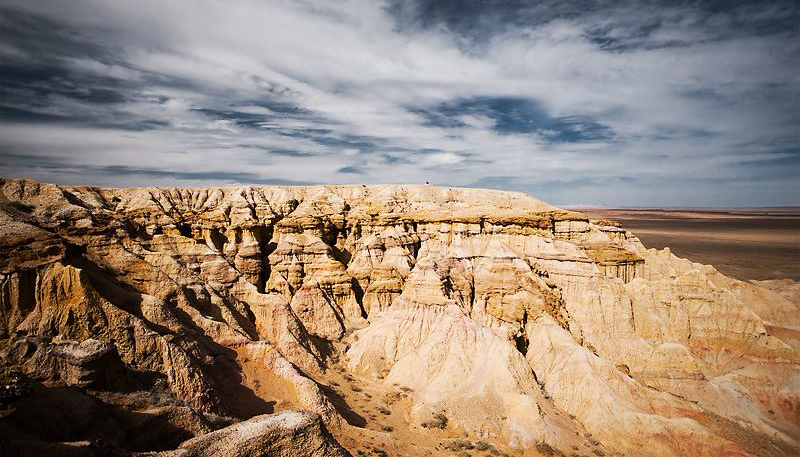
Tsagaan Suvarga, meaning "White Stupa," is a unique natural landmark located in the Omnogovi Province of Mongolia. It is a series of white limestone cliffs that rise vertically from the surrounding desert landscape, forming a towering stupa-like structure. The cliffs are layered with distinct patterns and shapes, displaying a mesmerizing mix of colors ranging from orange to pink and yellow. This geological wonder is situated about 100 km east of the town of Dalanzadgad and lies within the Gurvansaikhan National Park. The area surrounding Tsagaan Suvarga is known for its arid climate and extreme temperatures, with temperatures ranging from -30°C in winter to +40°C in summer.
Yoliin am
The Equestrian Statue of Genghis Khan is a remarkable monument located on the bank of the Tuul River, approximately 54 km east of Ulaanbaatar in Mongolia. This colossal statue is 40 meters tall and made of stainless steel, depicting the great Mongol ruler seated on his trusty steed, wearing traditional garb and holding a golden whip. The statue is surrounded by a circular platform that features 36 columns, each representing a khan who was an important figure in Mongolian history. Visitors can climb up to the horse's head for a breathtaking view of the surrounding landscape. The statue is an iconic symbol of Mongolia's rich cultural heritage and a must-see attraction for anyone visiting the country.
Khongor Sand Dunes
Hustai National Park, 100 km southwest of Ulaanbaatar, spans over 50,000 hectares of land. Established in 1993, it successfully reintroduced the Przewalski horse, the last living wild ancestor of domestic horses, which became extinct in the wild by the 1960s. Reintroduced from abroad, their population now thrives, with 350 individuals. The park's well-managed conservation efforts have also benefited other wildlife, fostering biodiversity with red deer, roe deer, marmots, wild boar, wild sheep, gazelles, grey wolves, and red foxes. The park teems with 459 plant species, 85 lichen species, 90 moss species, 33 mushroom species, and a diverse array of animals and insects.
Bayanzag Flamming cliffs
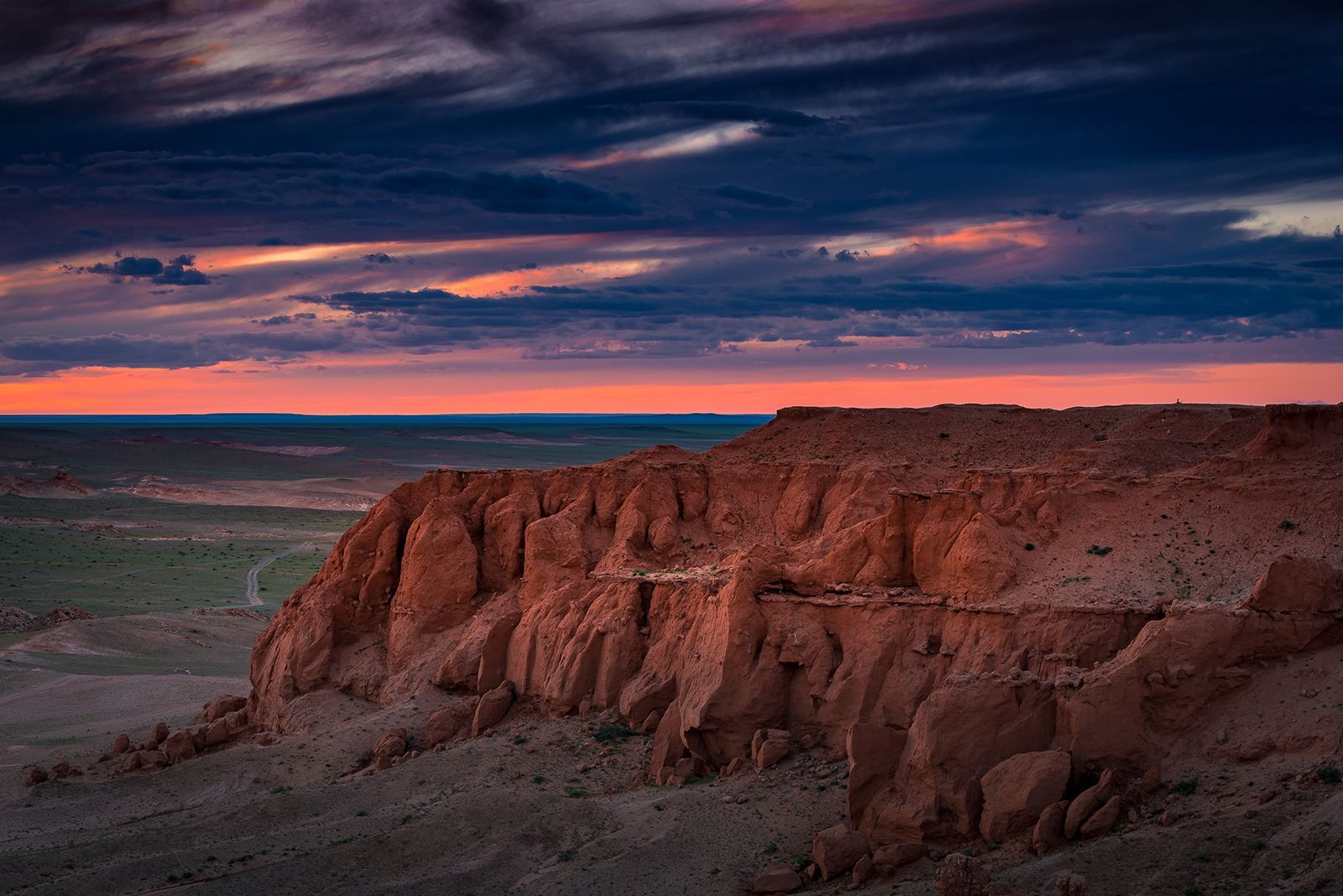
Bayan Zag, also known as the "Flaming Cliffs," is a world-famous paleontological site located in the Gobi Desert of Mongolia. The site is known for its rich fossil finds, including the first known dinosaur eggs, as well as fossils of early mammals, crocodiles, and turtles. The site's unique red sandstone cliffs have been formed over millions of years through erosion and weathering, giving them a striking appearance that seems to glow in the sunlight. The area is also home to a variety of desert flora and fauna, including the elusive Gobi bear and the agile Ibex. Bayan Zag is a must-visit destination for anyone interested in paleontology, natural history, and the stunning beauty of the Gobi Desert.
Ongi monastery ruins
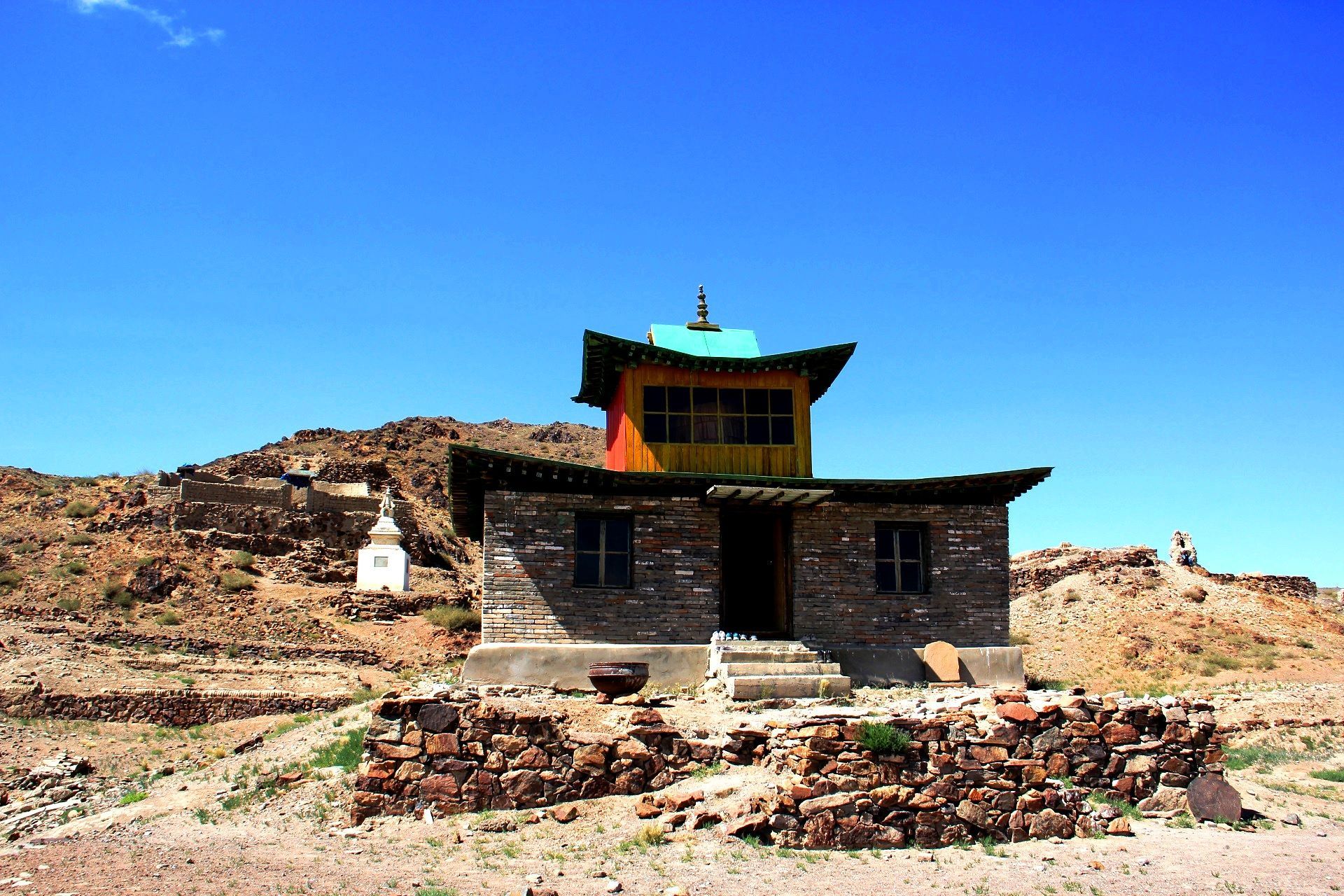
Ongiin Khiid is a ruined monastery located in the central region of Mongolia, near the town of Saikhan-Ovoo. The monastery was established in the 18th century and served as a spiritual center for Mongolians until it was destroyed during the communist era in the 1930s. Today, visitors can explore the ruins of the monastery and learn about its rich history. The site is located in a remote and scenic valley along the Ongi River, surrounded by mountains and vast grasslands. It is a popular destination for hiking and camping, offering visitors a chance to experience Mongolia's rugged beauty and rich cultural heritage.
Elsen tasarkhai
Elsen Tasarkhai is a unique geographical formation located in central Mongolia. The region features a stunning combination of sand dunes, mountains, and grassy plains, making it a popular destination for tourists seeking to explore Mongolia's natural beauty. Visitors can experience traditional Mongolian culture by staying in a ger and participating in local customs, such as camel riding and nomadic herding practices. The area is also home to a variety of wildlife, including gazelles and wolves, which visitors can observe in their natural habitat. Elsen Tasarkhai is an ideal destination for nature enthusiasts seeking a peaceful and serene escape from the hustle and bustle of city life.
Baga gazriin chuluu
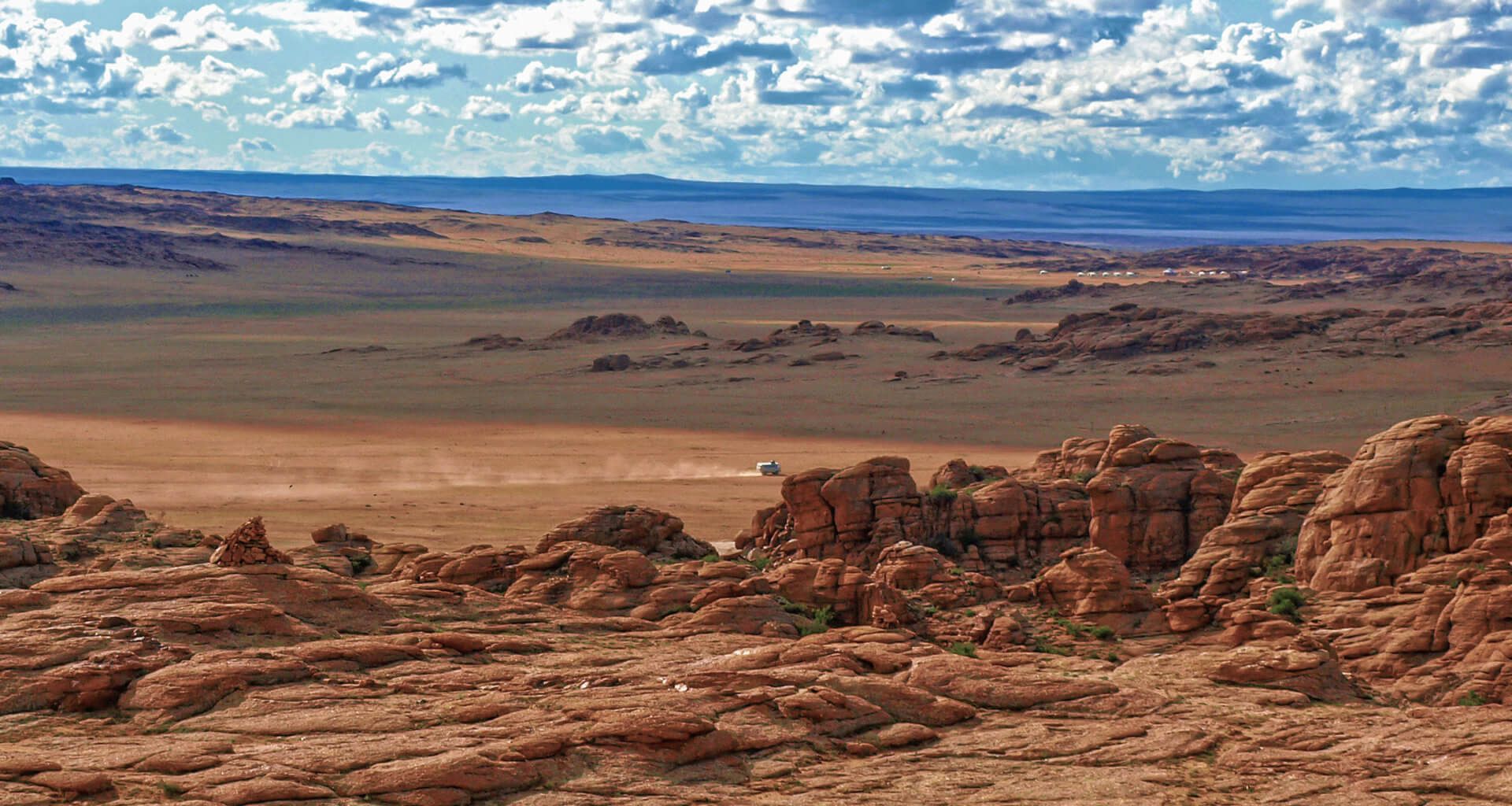
Baga Gazriin Chuluu is a stunning granite mountain range located in the eastern part of Mongolia, about 240 km from Ulaanbaatar. The mountain range covers an area of around 60 square kilometers and reaches a maximum height of 1,748 meters above sea level. The unique and picturesque rock formations, formed by erosion, create a natural wonder and a paradise for hikers and climbers. The mountain range is also home to various species of flora and fauna, including eagles, falcons, and marmots. The surrounding area is characterized by vast open grasslands and desert steppes, making Baga Gazriin Chuluu an incredible and unique destination to explore.
Ikh bogd mountain
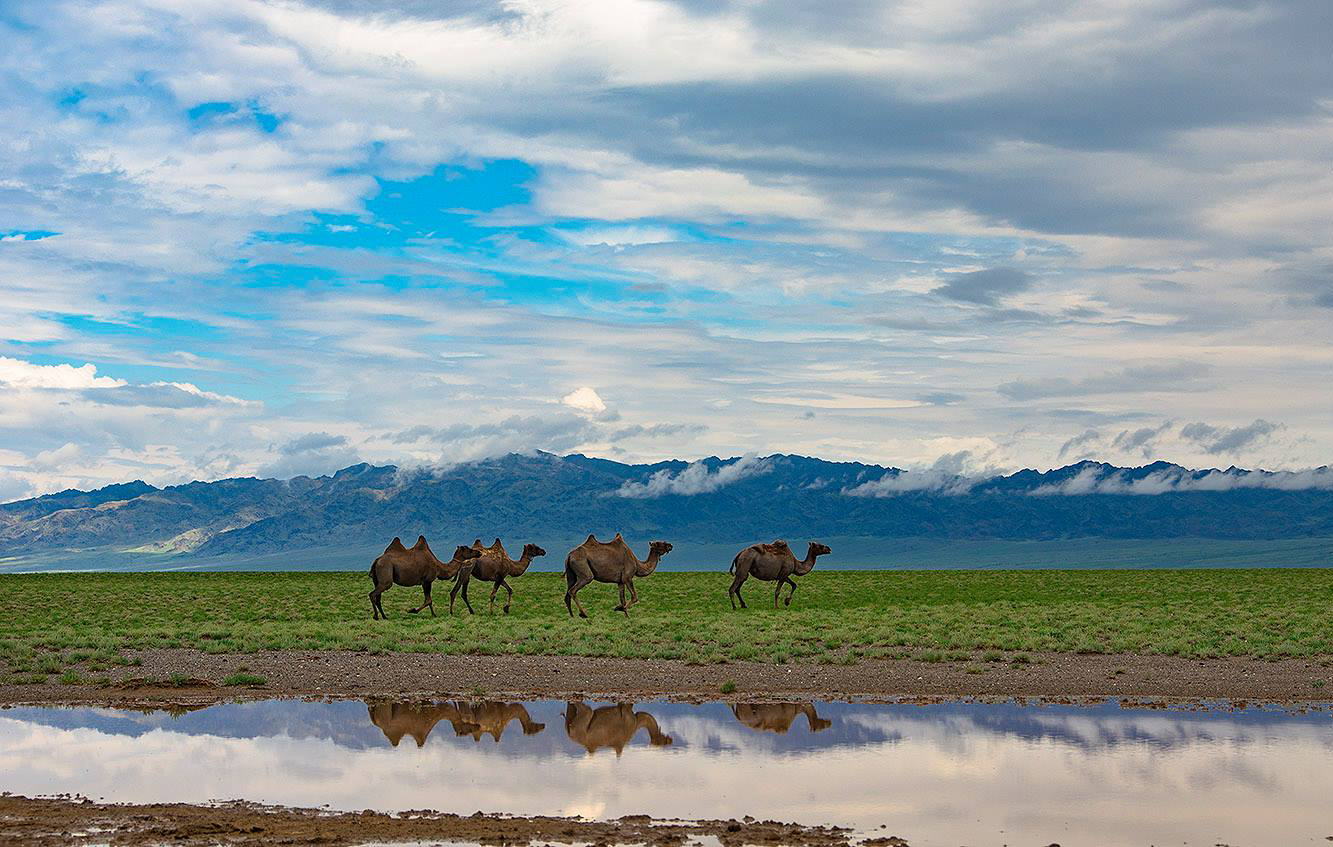
It is in the Gobi Altai Range that Ikh Bogd mountain is found over its 50 km long. Set in a land where steppe and desert come together, this rock formation imposes itself from its 3957m above sea-level, offering hence diverse contrasts with the different existing reliefs. Following an earthquake of a magnitude 11, which hit the region in the 50’s, a 270 km fault emerged going from the North of Baga Bogd to the top North of Bayan Tsagaan. Consequently two small lakes were created : Oyut and Binderya. The first one stretches over 200m for 170m wide, reaching a depth of 25m. As for Binderya lake, it covers an area of 275m long against 100m wide, with a low depth of 14m. In the Ikh Bogd mountain counts 10 big caves, of which Tsagaan is the biggest of all. Long of 38 km and wide of 5 meters, reaches an height of roughly 10 m in its core. According to historians, people used to live in these caves 700 thousand years ago.
Khuvsgul lake
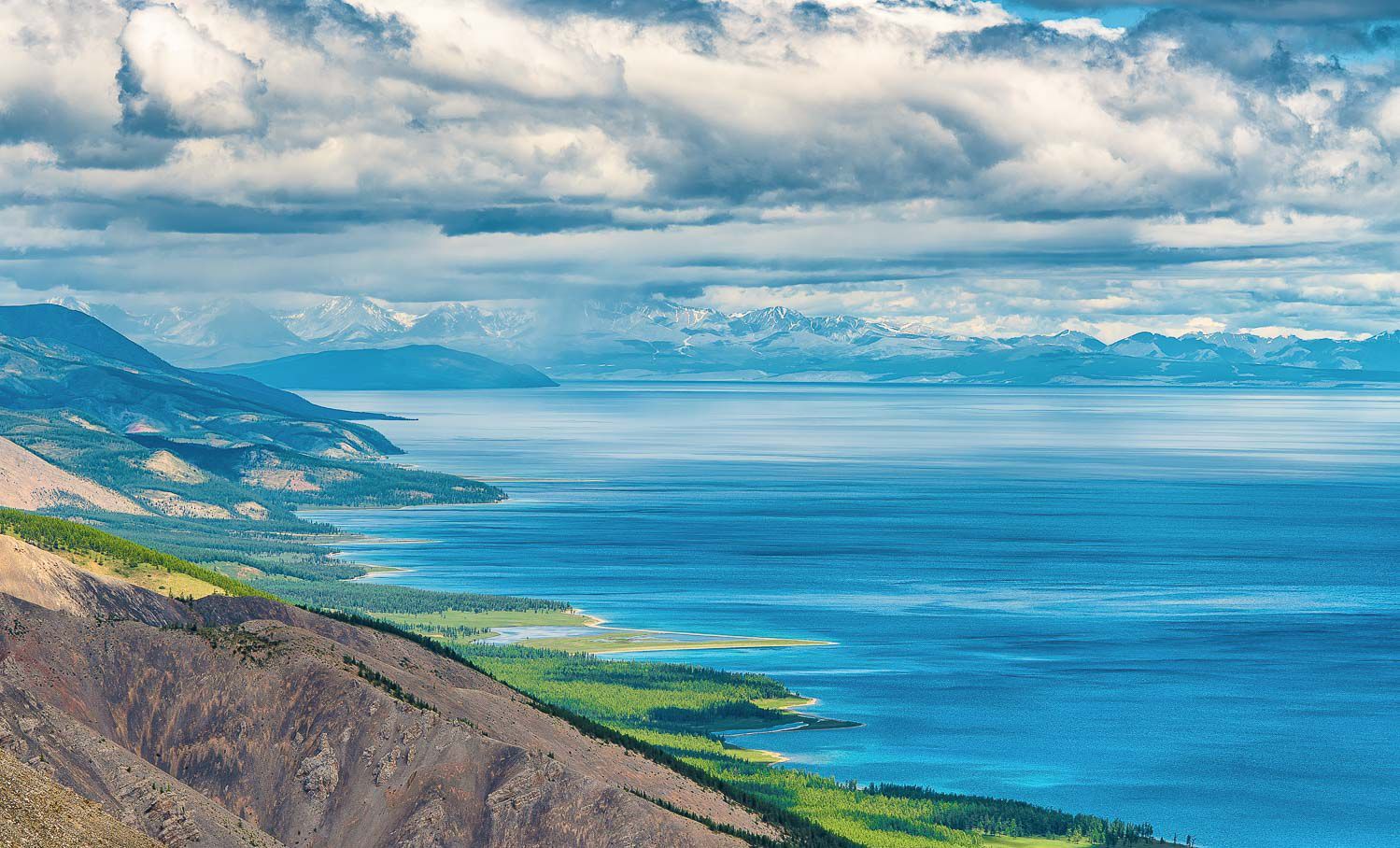
Khuvsgul Lake is a large freshwater lake located in northern Mongolia, close to the Russian border. It is the second-most voluminous freshwater lake in Asia and contains around 70% of Mongolia's fresh water. The lake is surrounded by pristine forests and mountains, making it a popular destination for eco-tourists and adventure-seekers. The area is also home to several ethnic groups, including the Tsaatan people, who are reindeer herders and one of the few remaining nomadic tribes in the world. Khuvsgul Lake is a unique destination that offers visitors a glimpse into Mongolia's rich culture and stunning natural beauty.
Darkhad valley & Taiga
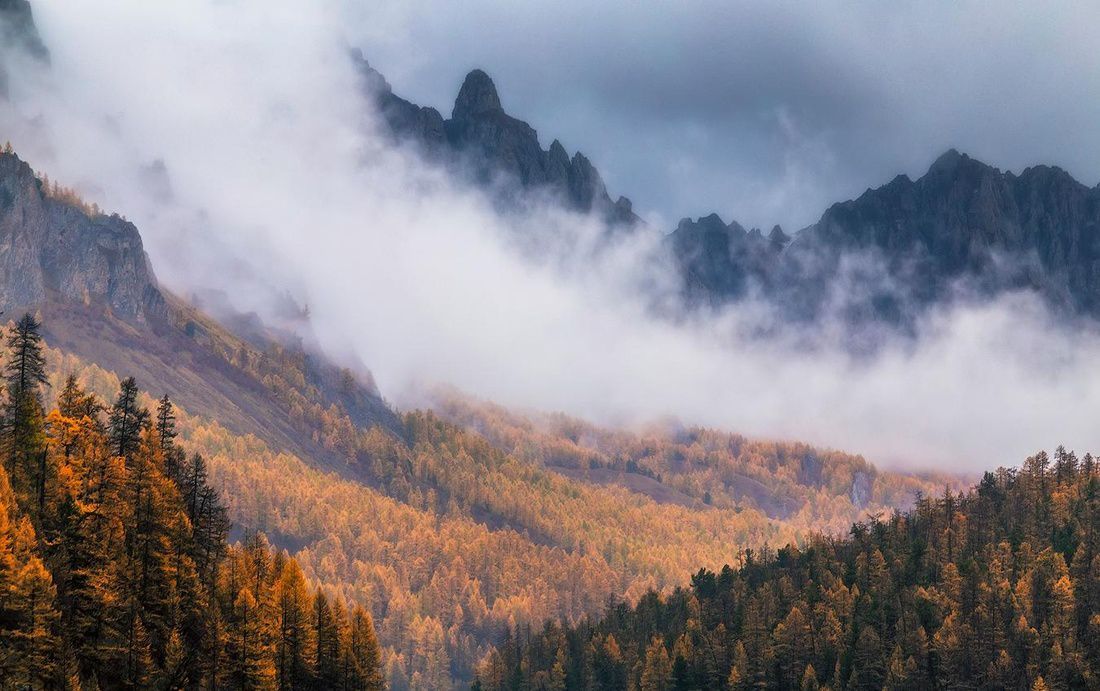
Stretching from northern Mongolia to the edge of the Arctic circle, the taiga is a breathtaking coniferous forest. This region is home to many scenic, cultural, and historical landmarks. Lake Khuvsgul, the world's second-deepest and freshest water lake, is a prominent attraction in the area. Additionally, the northern Mongolian region serves as the southern edge of the Siberian Taiga. The Dukha Tribe, or reindeer people, reside in the depths of the taiga. They live in teepees covered in canvas or animal skins and possess extensive knowledge of nature. They use herbs and plants for food and medicinal purposes, and their shamans are renowned for their healing powers.
Uran togoo crater
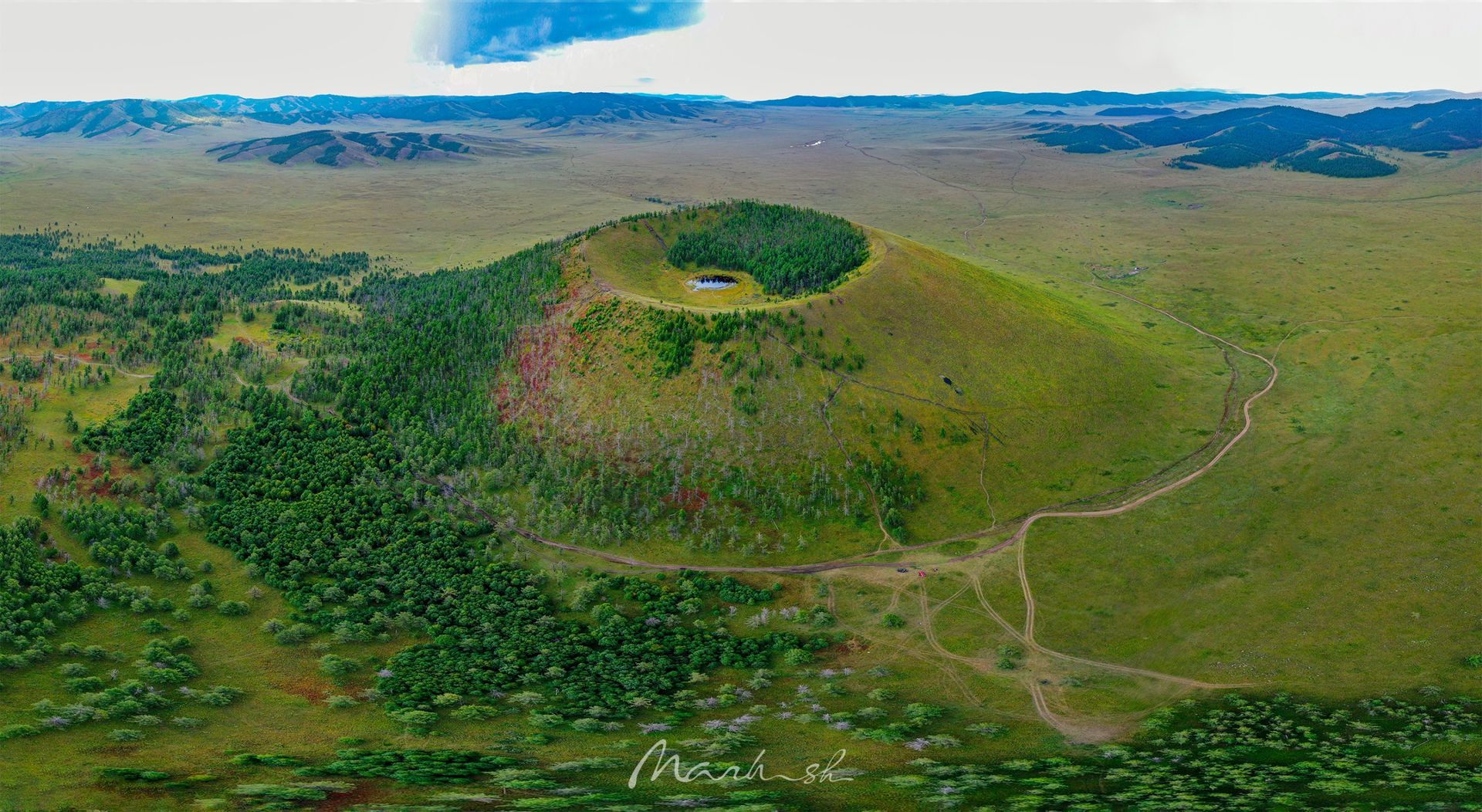
Uran Uul, located in Bulgan province, is a stunning natural monument consisting of an extinct volcano with a circular-shaped ridge at an altitude of 1686 meters above sea level. Visitors are drawn to the ridge's resemblance to a beautiful creature of nature. The government protected the area as a natural monument in 1965, covering an area of 5800 hectares. The ridge contains a magnificent emerald-green lake that is 1.5 meters deep. The volcano erupted due to tectonic movements in the Earth's crust approximately 20 thousand years ago. Additionally, three other craters, Tulga, Jalavch, and Togoo, are located 12 km south of Uran Uul, creating a stunning landscape where grasslands meet the foothills of the Hangai mountains.
Amarbayasgalant monastery
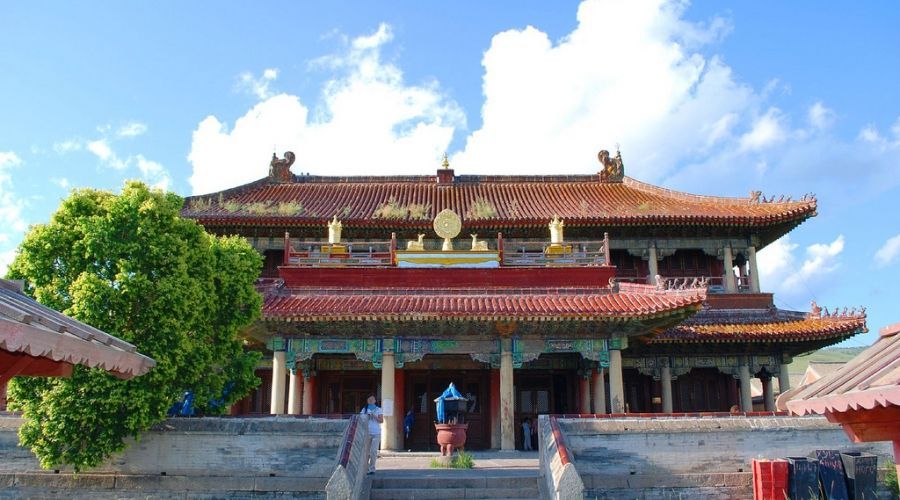
Amarbayasgalant Monastery is a Buddhist temple located in the picturesque Iven Valley of Selenge province, in northern Mongolia. The temple was built between 1727 and 1736, during the rule of the Manchu emperor Yongzheng, in honor of the first Bogd Gegeen Zanabazar. The monastery, with its impressive architecture and beautiful artwork, is considered one of the most important cultural heritage sites in Mongolia. The location of the monastery is also noteworthy, as it is surrounded by a vast, scenic landscape of rolling hills and forests, with the Selenge River flowing nearby. Visitors can experience the beauty of both the natural environment and the rich cultural traditions of Mongolia at Amarbayasgalant Monastery.
Tsambagarav mountain
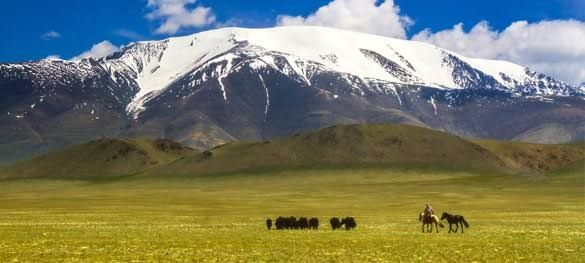
The mountain stands at an impressive height of 4,193 meters (13,757 feet) above sea level, making it one of the tallest peaks in Mongolia. Its snow-capped summit, often shrouded in clouds, dominates the surrounding landscape, offering breathtaking panoramic views of the vast wilderness below.
The surrounding area is home to diverse flora and fauna, including rare and endangered species such as the snow leopard and the Altai argali, a type of wild sheep. Visitors to Tsambagarav may encounter nomadic herders and traditional Kazakh communities, known for their hospitality and rich cultural traditions.
For adventurers seeking an unforgettable journey into the heart of Mongolia's wilderness, Tsambagarav offers an unparalleled opportunity to connect with nature, explore untamed landscapes, and experience the timeless allure of the Altai Mountains.
Altai Tavan Bogd mountain
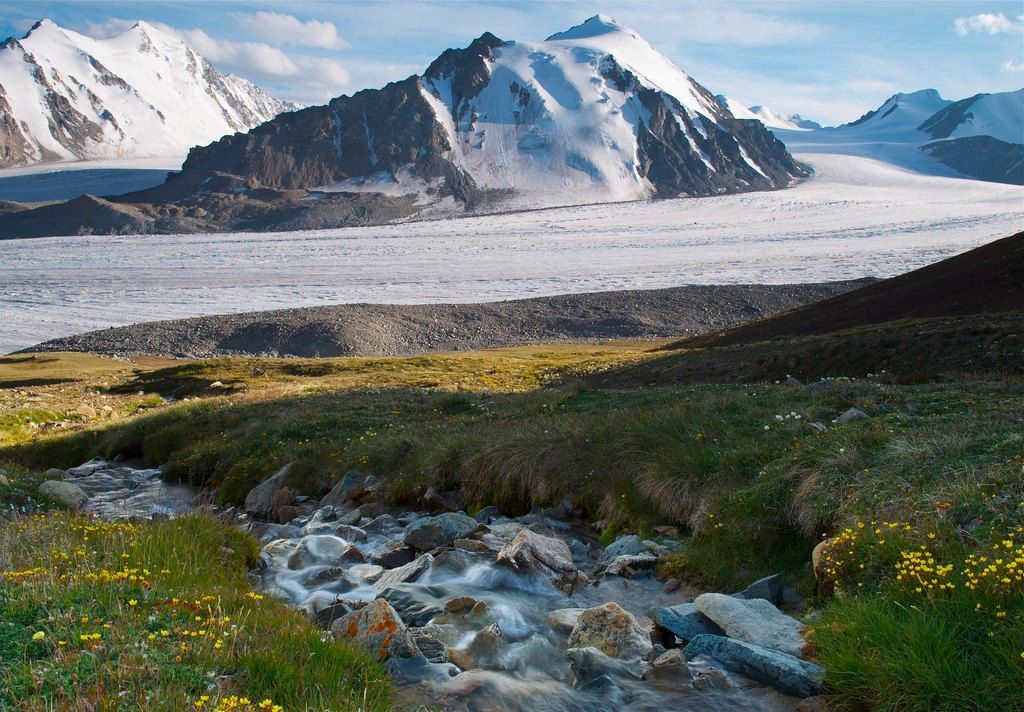
4000 meters above sea level and stretch from the north-western part of Mongolia to the south, through the far-western provinces of Bayan-Ulgii and Khovd. They stand guard against Mongolia’s western frontiers and the borders with China and Russia. Towards the southeast, the Mongolian Altai Mountains get smaller and transition into the Gobi-Altai mountain range.
The Altai represent different altitudinal vegetation zones including high glaciated snow-capped mountains, alpine and subalpine forests, ice crystal rivers and streams, mountain valleys and lakes and, high altitude steppe.
Khurgan lake
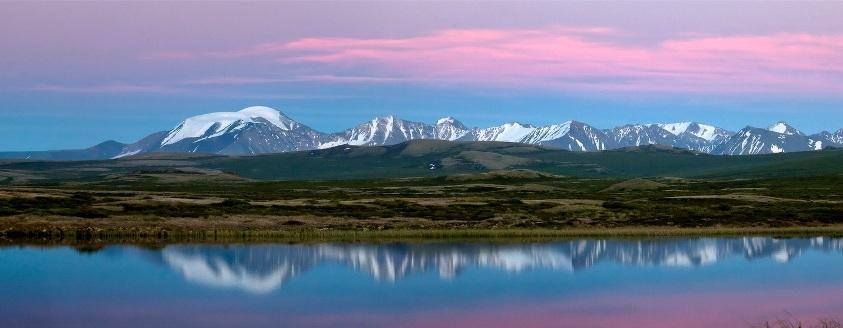
The Khoton and Khurgan Lakes are second largest and clearest of all lakes in Mongolia. The average depth is 26 m, the maximum depth is approximately 58 m. The landscape around the lakes is stunning: with forests and the snow-capped Altai Mountains. Khoton and Khurgan Lakes are home to the grayling (thymallus arcticus) and the lenok (brachymystax lenok). The lakes are located in an intermontane tectonic depression in the northern portion of the Mongolian Altai Region. Khoton lake has one island which is covered by woods. The system of Khoton and Khurgan lakes, connected by a wide channel, is the source of the Hovd river which drains the whole Mongolian Altai. Lake Khoton was formed by glacier blockages. Khurgan lake is the lowest point of Altai Tavan Bogd National park.
Kherlen river
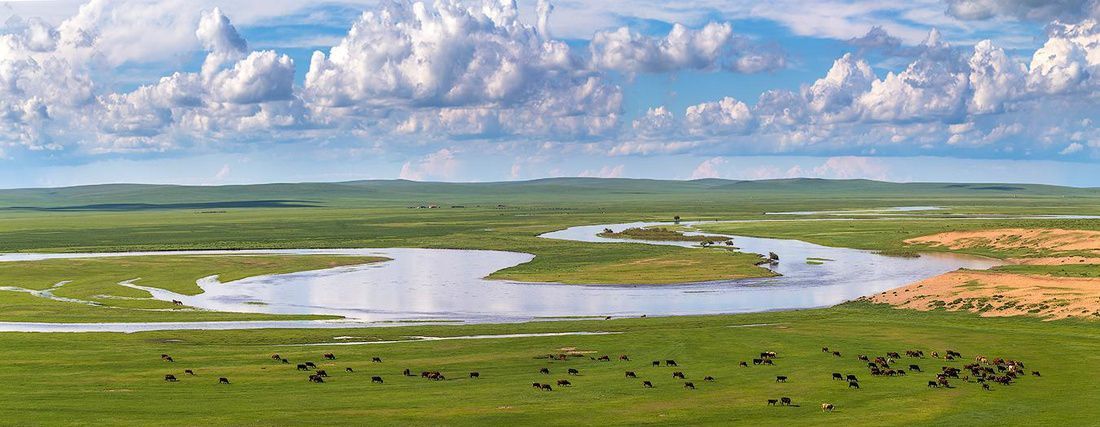
The Kherlen is one of the three famous rivers which rise in the Khentii Mountain Range, and it flows for 1.264 kilometers to drain into Lake of Dalai Nuur in China. There are many kinds of fishes and birds such as geese, duck, Amur Catfish, Umber, Taimen, Lenok, Amur Chub, Mirror Carp, Golden Carp, & Amur Ide. etc.
An honorary monument at Khodoo Aral near the Kherlen River was dedicated to Genghis Khan. Historians write that the Khan came to power at Khodoo Aral, an area from which he later emerged to unite the nomadic tribes of Mongolia. Ogoodei Khan and Munkh Khan were later enthroned at Khodoo Aral
Dornod Mongol endless steppe
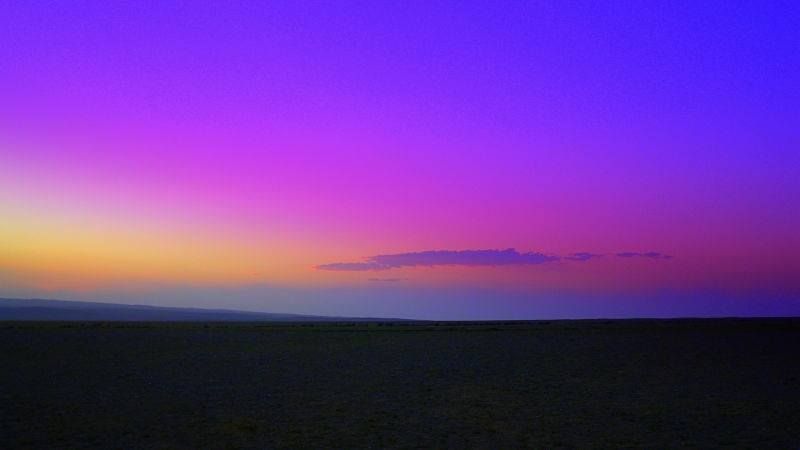
Thankfully, authorities have been convinced that the area's fragile environment and endangered fauna and flora need to be conserved. Dornod is currently the base of a multi-million dollar environmental protection project, which is researching everything from fires to field mice in an attempt to protect one of the world's last undisturbed grasslands.
Three large Strictly Protected Areas (SPA) were established in the aimag in 1992: Dornod Mongol (570,374 hectares). Holds one of the last great plain ecosystems on earth, protecting seas of feather grass steppe and 70% of Mongolia 's white-tailed gazelle, which roam in herds of up to 20,000.
Khar Zurkhnii Khukh Lake
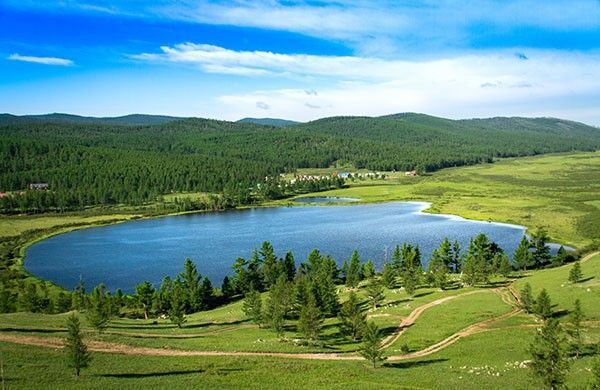
Khar Zurkhnii Khukh Lake is renowned for its scenic beauty and cultural significance. The lake is surrounded by pristine wilderness, dense forests, and rolling hills, making it a picturesque destination for travelers seeking tranquility and natural splendor.
In addition to its stunning landscapes, Khar Zurkhnii Khukh Lake holds historical significance as it is believed to be the site where Genghis Khan, the founder of the Mongol Empire, found the legendary golden whip. As such, the lake is revered by locals and holds a special place in Mongolian history and folklore.
Overall, Khar Zurkhnii Khukh Lake is a captivating destination that showcases Mongolia's natural wonders and rich cultural heritage, making it a must-visit for travelers exploring the Khentii Province and beyond.
Deluun boldog
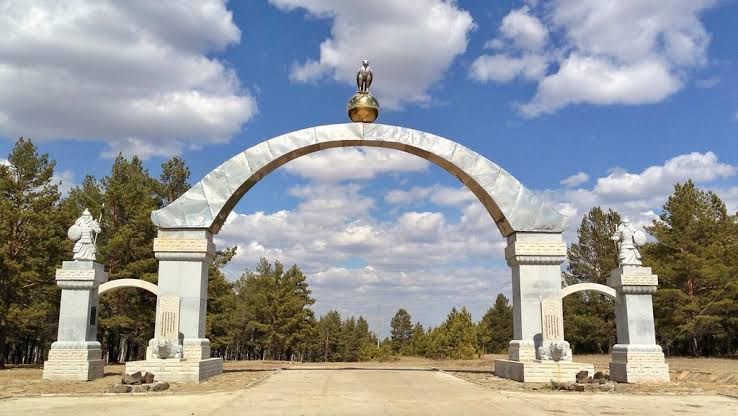
Deluun Boldog is a historically significant site located in the Khentii Province of Mongolia, approximately 80 kilometers northeast of the capital city, Ulaanbaatar. It holds great importance in Mongolian history as it is believed to be the birthplace of Temujin, who later became Genghis Khan, the founder of the Mongol Empire.
The area surrounding Deluun Boldog is characterized by vast grasslands, rolling hills, and serene landscapes, typical of the Mongolian countryside. Visitors to Deluun Boldog can explore the open plains and take in the natural beauty of the region while learning about its rich historical heritage.
Deluun Boldog remains an important historical site and a place of reverence for the Mongolian people, serving as a reminder of the country's storied past and its enduring legacy.